
How To make Sticky Rice – The Right way
Sticky rice, a cherished staple in Thai cuisine, including sweet rice and various rice varieties, is noted for its distinctive texture and versatility.
This article will examine the nature of sticky rice, its importance in Thai dishes, and the essential tools required for its preparation, such as a bamboo steamer and sticky rice basket.
A comprehensive breakdown of ingredients, along with a straightforward, step-by-step guide to mastering the art of preparing perfect Thai sticky rice, will be presented.
Regardless of whether one is a novice in the kitchen or an experienced cook, this guide aims to enhance culinary skills and facilitate the enjoyment of this delightful delicacy, allowing you to explore traditional methods used across Thailand and Laos.
Key Takeaways:
- To make perfect sticky rice, use Thai sticky rice and a steamer basket.
- Soak the rice for at least 6 hours before cooking to achieve the desired stickiness.
- Don’t stir the rice while it’s cooking, and let it rest for 10 minutes after cooking for the best texture and flavor.
What Is Sticky Rice?

Sticky rice, known in Thailand as ‘khao niao’, is a staple in Thai cuisine, especially celebrated in the Isan region and northern Thailand.
This unique rice variety, which includes glutinous rice and variants such as black and purple sticky rice, is characterized by its chewy texture and ability to complement a variety of dishes, from savory meals to desserts.
It plays a significant role in the food culture of Thailand, often enjoyed with grilled chicken or served alongside dishes like Som Tam and larb.
Why Is Sticky Rice Popular in Thai Cuisine?
Thai sticky rice, or khao niao, has gained immense popularity in Thai cuisine due to its unique texture and versatility, becoming a beloved staple in the food culture of the Isan region and Northern Thailand.
Its ability to pair well with various dishes, including grilled chicken and spicy salads like Som Tam, makes it an essential element of many meals, contributing to its widespread appeal among locals and tourists alike.
What Are the Tools Needed to Make Sticky Rice?
To prepare Thai sticky rice properly, a few specialized tools are necessary, including a bamboo steamer and a sticky rice basket, which are essential for the authentic cooking and steaming process of this beloved staple.
These tools not only enhance the cooking experience but also ensure the sticky rice achieves the perfect texture and flavor that is revered in Thai cuisine.
Ingredients for Thai Sticky Rice:
To create a delicious sticky rice dish, the key ingredients include high-quality Thai sticky rice, also known as glutinous rice, along with water and a pinch of salt, which enhances the flavor of this traditional staple.
These ingredients are fundamental to any sticky rice recipe and contribute to achieving the perfect sticky rice texture that is celebrated in Thai cuisine.
Step-by-Step Instructions for Making Thai Sticky Rice:
Making Thai sticky rice involves a methodical approach to ensure the final dish achieves the desired sticky rice texture, pivotal to its enjoyment in Thai cuisine.
By following a step-by-step sticky rice recipe, you can master the traditional techniques of soaking, draining, and steaming the rice, culminating in a delicious and satisfying side dish that pairs beautifully with various Thai dishes.
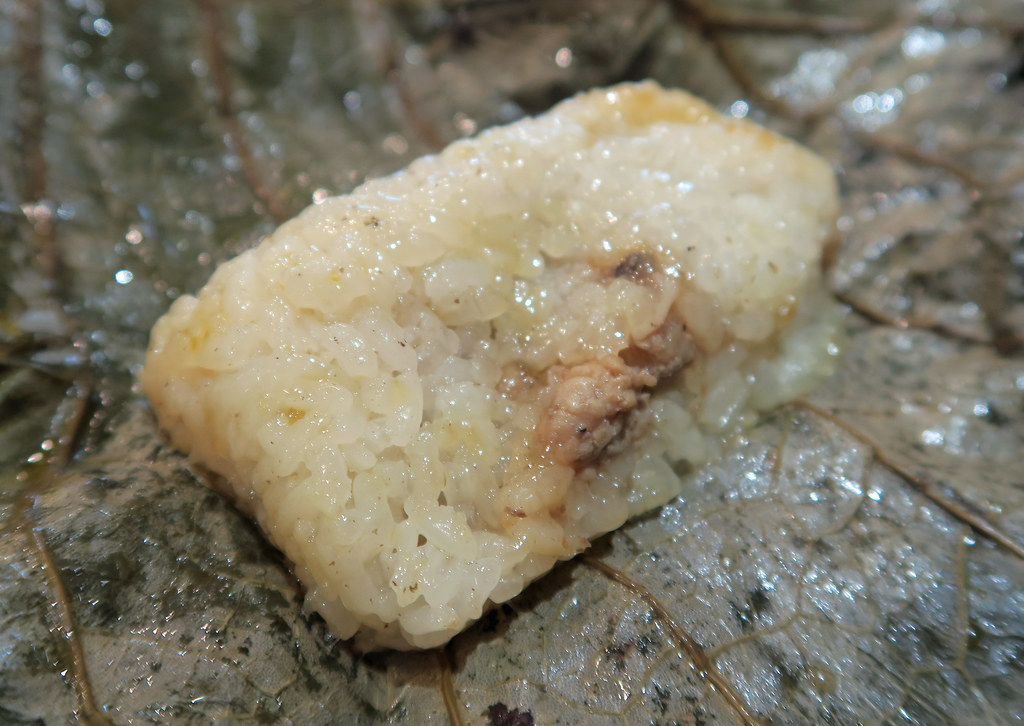
Step 1: Soak the Rice
The first step in making Thai sticky rice is to soak the glutinous rice in water for at least 6 to 8 hours, allowing the grains to absorb moisture and swell, which is crucial for achieving the perfect sticky rice texture.
This extended soaking period is not just a mere recommendation; it’s fundamental in transforming the rice’s consistency.
When you allow the rice to soak, it prepares the grains to become tender and chewy, which is the hallmark of excellent sticky rice.
Soaking helps to ensure even cooking, preventing undercooked pockets that disrupt the desired sticky texture.
It also enhances the overall flavor as the grains slowly hydrate.
To make sure you achieve the best results, here are some tips for cooking sticky rice:
- Use cold water to avoid cooking the rice during soaking.
- Consider soaking overnight for a more pronounced texture.
- Rinse the rice before soaking to remove excess starch.
This seemingly simple process is a vital step in unlocking the true potential of Thai sticky rice, allowing it to blend perfectly with vegetables or desserts.
Step 2: Drain and Rinse the Rice
Once the rice is soaked, the next step is to drain and thoroughly rinse the glutinous rice under cold water to remove any excess starch that may affect the sticky rice’s texture during cooking.
Properly rinsing the rice serves a dual purpose: it not only cleanses it from any impurities but also plays a crucial role in the overall cooking process.
The removal of excess starch ensures that the grains do not clump together, resulting in a delicate and pleasing texture once cooked.
- When rice is rinsed, it allows for better absorption of water, which is essential for achieving the perfect balance of softness and stickiness.
- This simple step enhances the natural flavor of the rice, allowing its inherent sweetness to shine through.
Consequently, taking the time to rinse glutinous rice can make all the difference in elevating a dish from ordinary to extraordinary, satisfying even the most discerning palates.
Step 3: Prepare the Steamer
Preparing the steamer is essential for cooking Thai sticky rice; using a bamboo steamer allows for even steam distribution, which is vital for achieving the desired sticky rice texture.
To begin, make sure to soak the sticky rice in water for at least 4 hours, or preferably overnight, to ensure proper hydration.
Once ready, line the bamboo steamer with cheesecloth or a clean kitchen towel to prevent the rice from falling through the slats.
Next, fill a pot or wok with water and bring it to a simmer; the water level should be just below the bottom of the steamer to allow steam to circulate effectively.
- Ensure the rice is evenly spread out in the steamer to promote uniform cooking.
- Once the water is simmering, place the steamer on top and cover it with a lid.
After about 20-30 minutes, check the rice for doneness.
The result should be perfectly sticky and tender, ready to be enjoyed in a variety of dishes.
Step 4: Add the Rice to the Steamer Basket

After preparing the steamer, place the drained and rinsed sticky rice into the sticky rice basket, ensuring an even layer to allow for proper cooking and even texture throughout.
By following this step diligently, one can attain that perfect stickiness that makes sticky rice so desirable in various dishes.
To achieve the best results, follow these steps:
- Begin by measuring the amount of sticky rice needed.
- After placing the rice in the basket, gently spread it out with your fingers, avoiding any clumps.
- Make sure the rice is not packed too tightly, as this will hinder steam circulation.
- If possible, sprinkle a little water over the rice for added moisture during steaming.
Ensuring that the rice is layered evenly not only promotes safe cooking conditions but also enhances the texture.
A well-cooked batch will have a fluffy center and the right amount of adhesive quality, perfect for pairing with various accompaniments.
Monitoring the steaming process helps maintain a consistent temperature, ensuring that every grain reaches its full potential.
Step 5: Steam the Rice
Steaming sticky rice is a crucial step that typically takes about 20 to 30 minutes, during which the rice transforms into the soft and sticky consistency that is characteristic of this beloved Thai staple.
During this essential cooking process, the rice must be uniform in its soaking and drainage to achieve optimal results.
You will want to start by soaking the rice for at least 6 hours or overnight to ensure it absorbs enough moisture.

Once it is ready, place the soaked rice in a lined bamboo steamer or a heat-proof dish.
- Set your heat source to medium-high, ensuring that water is gently simmering below.
- Monitor the steaming carefully, as too much heat can lead to uneven cooking.
A good indicator of doneness is when the rice appears translucent and soft; you can test this by taking a small portion and squeezing it between your fingers.
Remember, achieving that perfect sticky rice texture is essential for delightful dishes like mango sticky rice or savory rice dishes
Step 6: Check for Doneness
To ensure the sticky rice is cooked to perfection, it’s important to check for doneness by observing the rice’s texture; it should be tender and sticky when finished.
Achieving the ideal consistency for Thai sticky rice involves more than merely following cooking times; it requires careful attention to both visual and tactile cues. As the cooking progresses, take a moment to examine the rice closely.
You should notice a subtle shine on the surface, signaling that moisture has been absorbed.
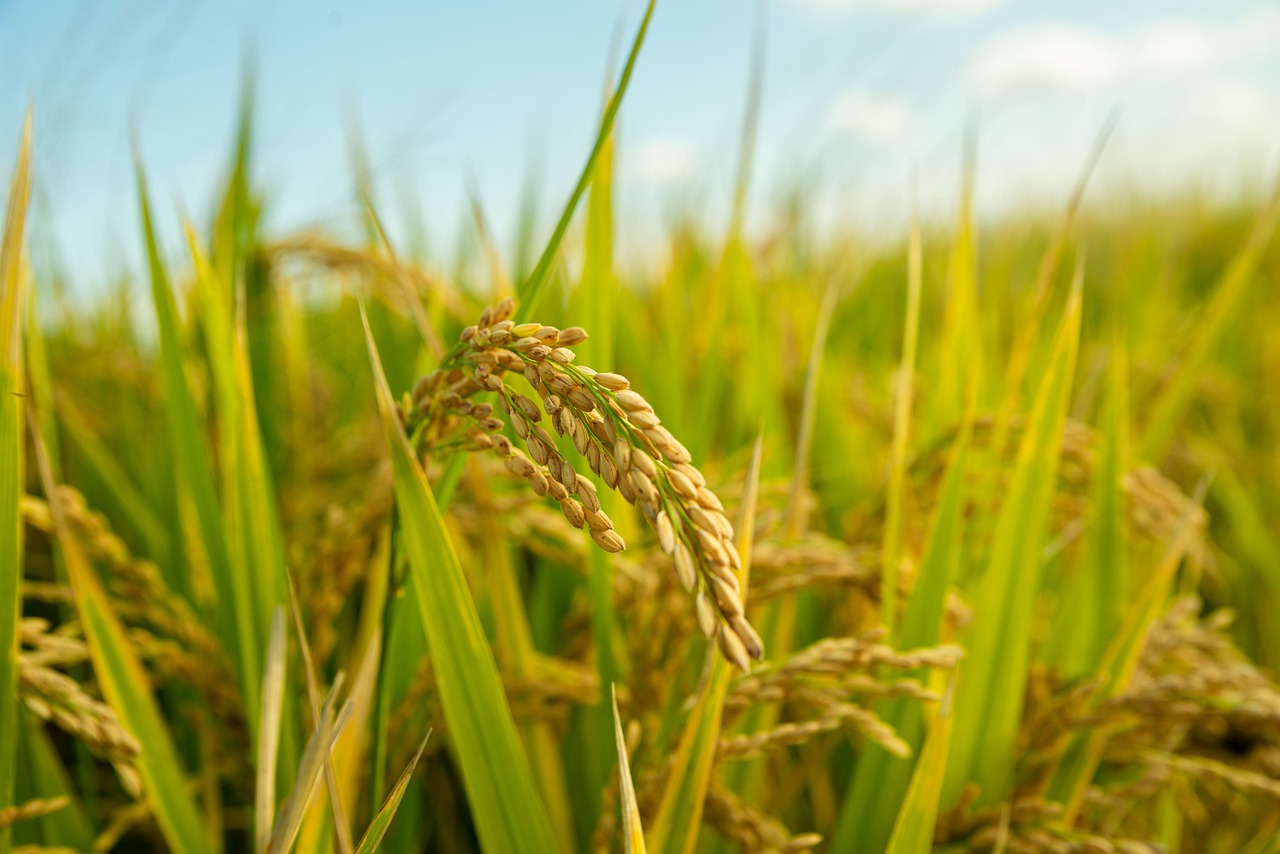
Gently pressing a grain between your fingers will indicate its readiness; it should yield easily without being mushy.
To aid in your evaluation, consider the following points:
- Visual Cue: A translucent appearance after steaming indicates ample hydration.
- Tactile Cue: When the rice clumps together without excessive stickiness, that’s a sign.
- Cooking Time: Generally, steaming for 20-30 minutes is sufficient, but always check for these signs.
By honing in on these indicators, you’ll find it easier to master the art of cooking sticky rice expertly.
Step 7: Let the Rice Rest
After steaming, allow the sticky rice to rest for about 10 minutes; this resting period helps the flavors to develop and the texture to settle, enhancing the overall quality of the dish, especially when using high-quality rice.
During this crucial time frame, the moisture evenly distributes throughout the grains, which is essential for achieving that perfect sticky rice consistency that pairs beautifully with various accompaniments.
Here’s why taking a moment to let the rice rest is so important:
- Flavor Development: As the rice cools slightly, its natural sugars and starches continue to interact, allowing for a richer taste.
- Texture Improvement: This period of rest makes the grains less gummy and easier to separate, enhancing the dining experience.
- Serving Temperature: Resting allows the rice to reach an ideal temperature, making every bite more enjoyable.
Incorporating this step into your cooking routine will elevate your dishes, making them not just meals, but memorable experiences.
Step 8: Serve and Enjoy!
Serve and enjoy your Thai sticky rice, or khao niao, as a delightful side dish or as part of a larger Thai meal, complementing dishes like moo ping, green curry, or even dishes from the Isan region of northern Thailand.
This versatile dish can elevate any meal, making it an essential component in traditional Thai dining. Sticky rice pairs wonderfully not just with grilled meats, but also with rich and aromatic curries, offering a perfect balance of textures and flavors.
For a delightful twist, consider serving it with dishes from Chiang Mai or Laos:

- Mango and Coconut Cream: A popular dessert that showcases the rice’s sweetness next to fresh mango slices, a favorite in Thai cuisine.
- Spicy Dips: Such as Nam Prik Ong, which add a zesty kick that complements the mild taste of sticky rice.
- Salads: Like Som Tum, where the crunchy vegetables contrast beautifully with the rice.
Serving sticky rice in woven bamboo baskets adds an authentic touch to your dining experience, making every meal feel special and intimate.
Health Benefits of Sticky Rice
Sticky rice, or glutinous rice, not only offers a delicious texture but also comes with several health benefits that make it a valuable addition to your diet.
Rich in carbohydrates and providing a good source of energy, it can be a nutritious staple when paired with other healthy ingredients like vegetables and lean proteins.
Tips for Perfect Sticky Rice
Achieving the perfect sticky rice requires a few essential tips to ensure the right texture and flavor; from selecting high-quality sticky rice to mastering the soaking and steaming methods, often recommended by sources like The Kitchn and Smithsonian, these tips can elevate your dish to Thai culinary standards.
With careful attention to each step, you can embrace the authentic experience of cooking Thai sticky rice.
Conclusion
In conclusion, mastering the art of making Thai sticky rice is a rewarding experience that enhances your appreciation for Thai cuisine and its rich food culture. With the right tools, ingredients, and techniques, you can create a dish that not only serves as a delightful side but also embodies the essence of traditional Thai meals.
The significance of this dish goes far beyond its taste; it represents centuries of culinary tradition and social gatherings.
Sticky rice is often featured in various celebrations and is complemented by an array of flavorful accompaniments like mango, coconut, and savory meats.
- Understanding the preparation method can connect you with Thai heritage.
- Serving sticky rice at family meals fosters a sense of unity.
Mastery in its preparation not only enhances your cooking repertoire, but also allows you to appreciate the unique textures and flavors that define Thai gastronomy.
In places like San Pa Tong in northern Thailand, sticky rice is a staple.
By making this dish, you engage with a vital aspect of Thai identity, as it continues to play a pivotal role in both everyday life and festive occasions.
Frequently Asked Questions
How do I make sticky rice like they do in Thailand?
To make Thai sticky rice, you will need glutinous rice, a steamer basket, and a cheesecloth or muslin cloth.
Soak the rice for at least 4 hours or overnight, then steam it for 20-25 minutes until it becomes soft and sticky.
Can I use regular rice to make sticky rice?
No, regular rice will not give you the same sticky texture as glutinous rice.
It is essential to use glutinous rice, also known as sticky rice or sweet rice, for the best results.
How do I steam sticky rice without a steamer basket?
If you do not have a steamer basket, you can use a regular pot with a lid and a colander.
Place the colander on top of the pot, add water to the pot, then place the soaked rice in the colander. Cover with a lid and steam for 20-25 minutes.
Can I use a rice cooker to make sticky rice?
Yes, you can use a rice cooker to make sticky rice. Soak the rice as usual, then place it in the rice cooker with the appropriate amount of water.
Once cooked, let it sit in the rice cooker for an additional 10-15 minutes to allow it to steam and become even stickier.
Can I add any additional ingredients to my sticky rice?
Yes, you can add various toppings or mix-ins to your sticky rice, such as coconut milk, sesame seeds, or mango.
You can also use sticky rice to make dishes like mango sticky rice, sushi, or rice balls.
How do I store leftover sticky rice?
To store leftover sticky rice, let it cool completely, then place it in an airtight container and store it in the fridge for up to 3 days. To reheat, you can steam it again or microwave it with a damp paper towel on top.