
Discover How to Make Pad Kra Pao in Easy Steps
Pad Kra Pao, a cherished Thai street food dish, captivates the palate with its rich flavors and aromatic herbs, featuring the distinctive taste of Thai holy basil.
This guide elucidates the distinct elements that differentiate Pad Kra Pao, offers a comprehensive list of simple ingredients and essential tools, and provides a step-by-step walkthrough to achieve the perfect spicy stir-fry.
Whether one is a seasoned chef or a novice in the kitchen, this guide presents cooking tips and variations for customizing this delicious Pad Kra Pao to personal preferences.
Engage with this guide to discover how to prepare authentic Pad Kra Pao that will impress all guests at your table with its flavor-packed dish and aromatic flavors.
Key Takeaways:
- Pad Kra Pao is a popular Thai dish known for its bold flavors, spicy stir fry, and aromatic herbs.
- The key to making the perfect Pad Kra Pao is using fresh ingredients like Thai basil and a hot wok for high heat stir-frying.
- Experiment with different variations, such as using different types of meat, tofu, or adding vegetables like green beans and bell peppers, to make your own unique version of Pad Kra Pao.

What is Pad Kra Pao?
Pad Kra Pao, a renowned Thai dish that embodies the essence of Thai cuisine, is a flavorful stir fry made primarily with Thai holy basil, commonly referred to as ‘bai kra pao.’
It serves as a delicious and protein-rich meal option, often featuring ground meat such as chicken, pork, or beef, and is celebrated for its aromatic flavors and quick cooking process.
The origins of Pad Kra Pao can be traced back to traditional Thai home cooking, where families would create variations based on local ingredients and personal preferences.
This dish holds immense significance in Thai food culture as it reflects the country’s love for fresh herbs and vibrant flavors. Often prepared as a quick meal, it’s not uncommon to find it being enjoyed as street food.
- Vegetarian options typically replace meat with tofu or mushrooms, ensuring everyone can savor this delightful dish.
- Some variations even include seafood or fried eggs on top, enhancing its flavor profile.
Whether enjoyed at a bustling food stall or within the comfort of a home, Pad Kra Pao remains a beloved staple in Thai households, celebrated for both its simplicity and its rich, stimulating taste.
What Makes Pad Kra Pao Unique?
Pad Kra Pao stands out in the realm of Thai cuisine due to its intense flavor explosion, achieved through the perfect blend of fresh ingredients such as Thai holy basil, garlic, and chili, combined with various proteins like shrimp and tofu, making it a spicy stir fry that tantalizes the taste buds.
This dish is particularly noted for its unique cooking techniques that elevate its flavor profile. The method of high heat stir frying not only maintains the vibrant colors of the ingredients but also enhances their natural aromas.
Using a wok allows those cooking to quickly sear the proteins while preserving the crunch of vegetables.
- Fresh Thai holy basil is essential; it adds a fragrant, peppery note that complements the heat of the Thai chili.
- The balance between spicy, salty, and sweet in Pad Kra Pao is critical, showcasing the art of Thai cuisine.
This harmonious blend, when enjoyed with a side of jasmine rice, creates a fulfilling dish that reflects the rich cultural heritage of Thailand.

Ingredients and Tools Needed
To create an authentic pad kra pao at home, it’s essential to gather the right ingredients and tools, including pantry staples and fresh produce that ensure a flavorful and successful culinary experience.
Ingredients List
The ingredients list for a satisfying pad kra pao includes staple items such as garlic, soy sauce, oyster sauce, and vibrant fresh basil, as well as proteins like ground meat, shrimp, or tofu, which are crucial for achieving the dish’s signature flavors.
To ensure a delicious outcome, one should prioritize ingredients that are fresh and high-quality. Here’s a detailed list of what you’ll need for this delightful dish:
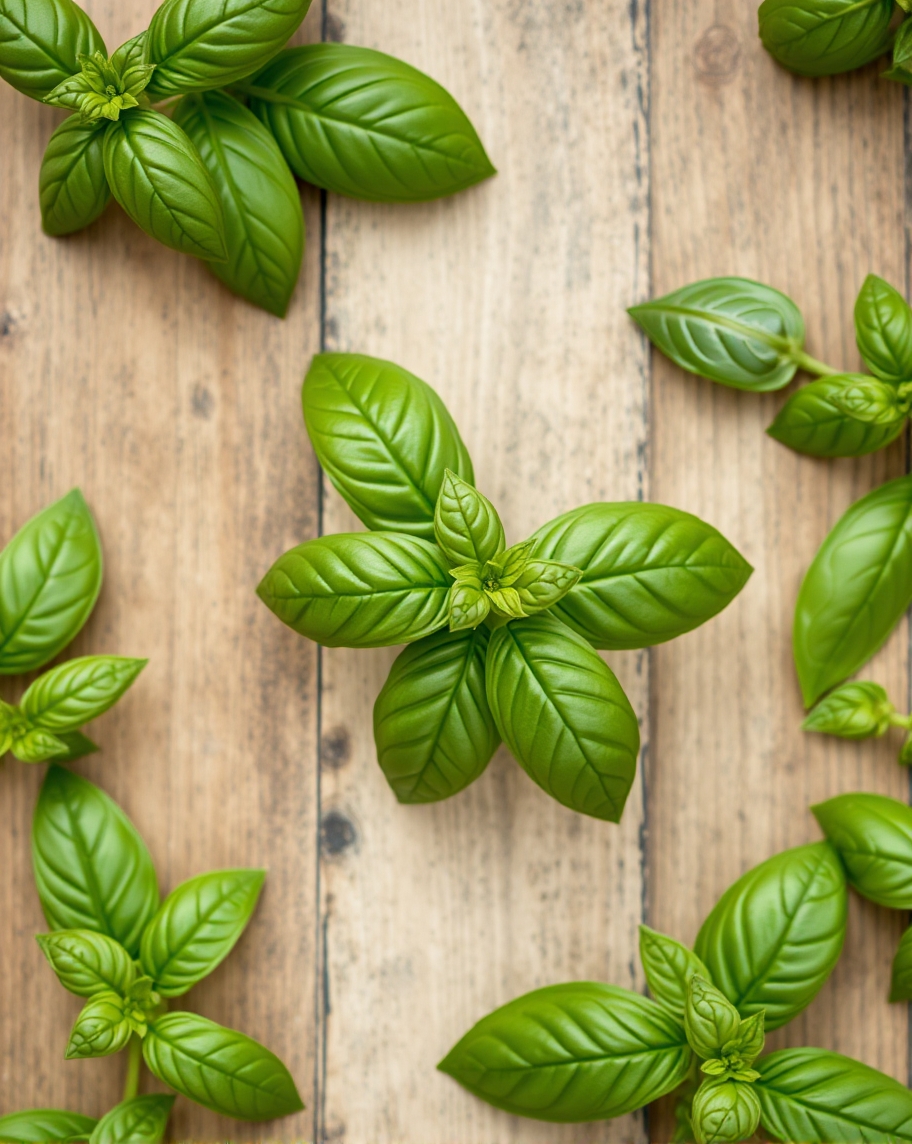
- Fresh Basil: Look for Thai basil if available, as it imparts an authentic flavor. Regular basil can work in a pinch.
- Garlic: Use fresh, unblemished cloves for the best taste.
- Proteins: Ground chicken, pork, or beef are traditional; however, shrimp and tofu are excellent alternatives for different dietary needs.
- Sauces: Ensure you select quality soy sauce and oyster sauce; low-sodium options are available for those watching their salt intake.
- Chilies: Fresh or dried Thai chilies can add the necessary heat; adjust to personal preference.
With a little attention to ingredient quality and the potential for substitutions, pad kra pao can be tailored to suit various tastes and dietary preferences while still retaining its essence
Tools Needed
To prepare pad kra pao effectively, essential tools include a wok for high-heat stir frying, a spatula for mixing, and other kitchen tools that facilitate the cooking process.
When crafting this iconic Thai dish, it’s crucial to have the right equipment on hand.
A quality wok is the heart of cooking, designed to distribute heat evenly, allowing ingredients to cook quickly and maintain their vibrant colors, essential for traditional Thai cooking methods.
- spatula
- knife
- cutting board
- measuring cup
- ladle
The spatula, often considered a chef’s best friend, helps in tossing the ingredients without compromising their texture.
A sharp knife is essential for chopping fresh herbs and vegetables with precision, while a cutting board provides a stable surface for preparation.
To enhance cooking efficiency, a measuring cup ensures accurate portions of sauces, aligning flavors perfectly.
A ladle is handy for serving, making the entire process streamlined and enjoyable.

Step-by-Step Instructions
Creating a delicious pad kra pao involves a series of straightforward steps that highlight essential cooking instructions and techniques, ensuring that even novice cooks can prepare this quick meal with confidence and enjoyment.
Step 1: Prepare the Ingredients
The first step in making pad kra pao is to prepare all fresh ingredients, including mincing garlic, chopping Thai chilis, and measuring out sauces, ensuring everything is ready for a seamless cooking experience
Proper preparation is crucial for achieving that authentic taste, as the freshness of each ingredient significantly elevates the dish’s overall flavor profile.
In terms of garlic, aim for finely mincing it to release its essential oils, promoting a more robust aroma.
Select ripe Thai chilis and chop them into small pieces, but be cautious with the quantity, as their heat can overwhelm the dish if not balanced correctly.
- Use fresh basil leaves, ensuring to remove any wilted or damaged ones to maintain vibrant color.
- Measure sauces like soy sauce and fish sauce accurately for optimal flavor integration.
This meticulous approach to ingredient preparation not only helps in achieving perfect balance but also enhances the cooking process, making it more enjoyable.
Step 2: Make the Sauce
To achieve the perfect flavor profile for pad kra pao, the next step involves making a savory sauce that typically combines soy sauce, oyster sauce, and fish sauce, creating a rich umami base that accentuates the dish.
The right ratios are crucial; generally, a good starting point is two tablespoons of soy sauce, one tablespoon of oyster sauce, and one tablespoon of fish sauce.
This combination ensures a harmonious balance between savory, sweet, and salty notes.
To achieve the perfect flavor profile for pad kra pao, the next step involves making a savory sauce that typically combines soy sauce, oyster sauce, and fish sauce, creating a rich umami base that accentuates the dish.
The right ratios are crucial; generally, a good starting point is two tablespoons of soy sauce, one tablespoon of oyster sauce, and one tablespoon of fish sauce.
This combination ensures a harmonious balance between savory, sweet, and salty notes.
Step 3: Cook the Meat
The third step in the pad kra pao recipe involves cooking the ground meat of your choice over high heat, allowing it to brown and absorb the flavors of the pan while ensuring a protein-rich meal.
Cooking at high temperatures is crucial for achieving that desirable, crispy texture, which not only enhances the flavor but also elevates the overall dish.
High heat cooking minimizes moisture loss, making each bite more succulent.
- When using beef, aim for a medium grind to enhance browning.
- For chicken or turkey, a fine grind allows faster cooking and better flavor absorption.
- If opting for pork, a mix of lean and fatty cuts ensures richness and depth.
Always start with a preheated pan using vegetable oil to lock in those flavors.
Don’t overcrowd the meat, such as ground meat; this can cause steaming instead of the nice browning you desire.
Remember, achieving that ideal sear is half the battle in creating a perfect pad kra pao!
Step 4: Add Vegetables, Herbs, and Spice
After the meat is cooked, the next step is to add in vegetables such as bell peppers and shallots, along with fresh Thai holy basil and a dash of sesame oil, which brings an aromatic flavor to the pad kra pao.
These vibrant vegetables not only contribute a burst of color to the dish but also enhance its overall texture and flavor profile.
For instance, crispy snap peas can provide a satisfying crunch, while carrots add a subtle sweetness that balances the savory elements.
Including zucchini can bring a tender consistency that harmonizes beautifully with the other ingredients.
It’s crucial to incorporate fresh basil at the right moment; doing so at the end of cooking will preserve its intense aroma and flavor, ensuring the dish is both delightful and fragrant.
Step 5: Add the Sauce and Stir-Fry
Once the vegetables are tender and aromatic, it’s time to add the prepared sauce, including dark soy sauce and stir-fry everything together, creating a flavor-packed dish that is the hallmark of pad kra pao.
This exciting process not only enhances the taste but also brings a vibrant texture to the mix.
By using high heat and minimal oil, you can ensure that the ingredients cook quickly, preserving their natural crunch and nutrient value.
Here are some key points to remember during the stir-frying technique:
- Prep your ingredients: Before you start, make sure all vegetables and fresh herbs are cut into uniform pieces for even cooking.
- Order of addition: Begin with proteins if used, followed by hearty vegetables, and finally, quick-cooking items like leafy greens.
- Timing is crucial: Each ingredient’s cooking time varies; hence, add them gradually to avoid overcooking.
When done correctly, the result is a delightful dish where flavors meld beautifully, making every bite a testament to this culinary art.
Step 6: Serve and Enjoy a Traditional Dish
To complete your pad kra pao experience, serve it hot over a bed of jasmine rice and garnished with a crispy fried egg, elevating the dish to a satisfying and visually appealing meal.
This popular Thai dish is not only a quick dinner option but also a staple of Thai food culture.
For an added burst of freshness, consider incorporating vibrant garnishes such as chopped scallions and lime wedges.
This not only enhances the presentation but also complements the rich flavors of the dish.
Adding a sprinkle of fresh herbs, like cilantro or Thai basil, can introduce an enticing aroma that captures the essence of authentic Thai cuisine and makes it a flavorful protein-rich meal.
When serving, place the fried egg atop the rice with the pad kra pao arranged artistically around it. You might also include:
- Additional lime slices for squeezing
- Sliced cucumbers for a refreshing crunch
- A scattering of roasted peanuts for texture
These elements can turn a simple meal into a delightful feast that tantalizes both the eyes and palate.
Tips, Variations, and Recipe Cards
To perfect your pad kra pao, consider these essential tips and variations that cater to different tastes and dietary preferences, allowing for a personalized cooking experience.
For the best pad kra pao, focus on achieving a perfect flavor balance by using fresh ingredients, maintaining high heat during cooking, and tasting as you go to adjust seasoning.
Utilizing ingredients at their peak freshness is vital, as this enhances the dish’s overall quality.
Begin by selecting high-quality proteins, such as minced pork or chicken, ensuring they are tender and flavorful.
Consider using leftover cooked meat for a quick weeknight meal.
As you heat your wok, allow it to reach a smoking point before adding oil, which will provide a crisp texture to the meat.
Incorporate garlic and Thai bird’s eye chilies early to infuse the oil with their aromatic essence.
Remember, adjusting seasoning throughout the cooking process ensures that the end result is vibrant and well-balanced; therefore, don’t hesitate to add a pinch of sugar or a dash of fish sauce to elevate those flavors.
This is a classic example of savory meat stir fry techniques.
- Choose farm-fresh basil for an authentic aroma.
- Experiment with different heat levels to find your perfect kick.
- Consider adding vegetables like bell peppers for added crunch and color.
Variations to Try
Experimenting with variations of pad kra pao can lead to delightful new flavors and combinations, such as using different proteins like shrimp or tofu, or creating a vegetarian option that highlights seasonal vegetables.
This allows for a personalized recipe experience and caters to different dietary needs.
By incorporating diverse ingredients, one can enhance both the taste and texture of this beloved dish, inviting creativity in every bite.
For instance, replacing the traditional minced pork with shredded chicken or even a plant-based alternative opens new avenues for exploration.
Plus proteins, varying the types of aromatic herbs and chilies can elevate the dish to new heights; using Thai basil instead of sweet basil offers a more pronounced flavor profile, while experimenting with different chilies can adjust the heat to personal preference.
- Try adding fresh bell peppers or green beans for crunch.
- Incorporate cashews or peanuts for a delightful textural contrast.
- Consider a splash of lime juice to brighten the overall flavor.
Ultimately, adjusting these elements allows anyone to craft a unique and satisfying pad kra pao experience tailored to their taste preferences.
Conclusion
In conclusion, pad kra pao is a beloved dish that reflects the vibrant Thai food culture, showcasing its rich history, aromatic flavors, and the ability to create a quick, satisfying meal that can be tailored to individual tastes.
This national dish is a staple in many households and popular street food across Thailand.
This dish serves as an excellent introduction to Thai cooking for those looking to explore the culinary art beyond the confines of a restaurant.
The combination of succulent meat, fresh basil, and aromatic seasonings creates a symphony of tastes that delights the palate.
It highlights the spicy and umami flavors typical of Thai cuisine.
- Its versatility allows for substitutions based on dietary preferences, making it suitable for both meat lovers and vegetarians.
- The quick preparation time is ideal for busy weeknights or casual gatherings, ensuring that everyone can enjoy a delicious meal without extensive effort.
By trying to make pad kra pao at home, food enthusiasts can deepen their appreciation for Thai cuisine and forge their own culinary adventures in the kitchen.
Frequently Asked Questions
1. What is Pad Kra Pao and what makes this Traditional Dish special?
Pad Kra Pao is a classic Thai dish that is known for its bold and spicy flavors. It is made with stir-fried minced meat (usually pork or chicken) and holy basil, resulting in a perfect balance of sweet, savory, and spicy flavors.
2. What ingredients do I need to make Pad Kra Pao, a Popular Thai Dish?
To make Pad Kra Pao, you will need minced meat (pork or chicken), holy basil, garlic, chili peppers, fish sauce, soy sauce, oyster sauce, sugar, and cooking oil. You will also need a mortar and pestle or a food processor to make the chili paste.
3. Can I use other types of meat or Leftover Meat for Pad Kra Pao?
Yes, you can use other types of meat like beef, shrimp, or tofu to make Pad Kra Pao. Just make sure to adjust the cooking time accordingly to ensure the meat is fully cooked.
4. How do I make the perfect Pad Kra Pao chili paste?
To make the chili paste, you will need to pound together fresh chili peppers, garlic, and a pinch of salt in a mortar and pestle until it forms a smooth paste. You can also use a food processor for this ste
5. Can I make Pad Kra Pao vegetarian or vegan?
Yes, you can make a vegetarian or vegan version of Pad Kra Pao by using tofu or tempeh instead of meat and using vegetarian versions of fish sauce and oyster sauce. You can also omit the fish sauce and use soy sauce as a substitute.
6. What is the best way to serve Pad Kra Pao, a Popular Street Food?
Pad Kra Pao is traditionally served over rice and topped with a fried egg, which adds a delicious richness to the dish. You can also serve it with some fresh vegetables on the side, like sliced cucumbers or tomatoes.